Dressing Your Child for Different Seasons
As seasons shift, parents often wonder how to dress their children appropriately for varying weather conditions. The goal is to maintain comfort while allowing freedom of movement and outdoor play. Understanding the principles of layering and fabric selection can help simplify this daily task. This article provides practical advice on how to approach dressing children for different seasons, focusing on adaptability and protection.
Children’s bodies regulate temperature differently than adults, and their activity levels fluctuate throughout the day. Therefore, a one-size-fits-all approach may not be effective. Instead, a flexible strategy that considers temperature, precipitation, wind, and humidity can be more useful. By mastering a few key concepts, parents can make informed decisions that support their child’s well-being in various weather conditions.
In the following sections, we will explore the fundamentals of layering, the role of fabric properties, and seasonal considerations. The information is intended to be a general guide, and individual needs may vary. Always observe your child’s comfort and adjust accordingly.
Understanding the Layering System
Layering is a method of dressing that involves wearing multiple thin garments instead of a single thick one. This approach allows for easy adjustment as conditions change. The base layer is closest to the skin and manages moisture, the mid layer provides insulation, and the outer layer shields from wind and rain. Each layer serves a specific function and can be added or removed as needed.
When selecting base layers, look for fabrics that wick moisture away from the body. Synthetic materials like polyester or merino wool are often effective, as they pull sweat away from the skin and dry quickly. Cotton, while comfortable, tends to hold moisture and can become cold when wet, so it may not be ideal for active pursuits. However, for sedentary activities in mild weather, cotton can be acceptable.
Mid layers are designed to trap heat. Fleece, down, or synthetic insulation are common choices. These materials create a buffer of warm air around the body. The thickness of the mid layer can be adjusted based on the temperature; a light fleece may suffice for cool days, while a heavier down jacket might be needed in freezing conditions. It’s important that mid layers are not too bulky to restrict movement.
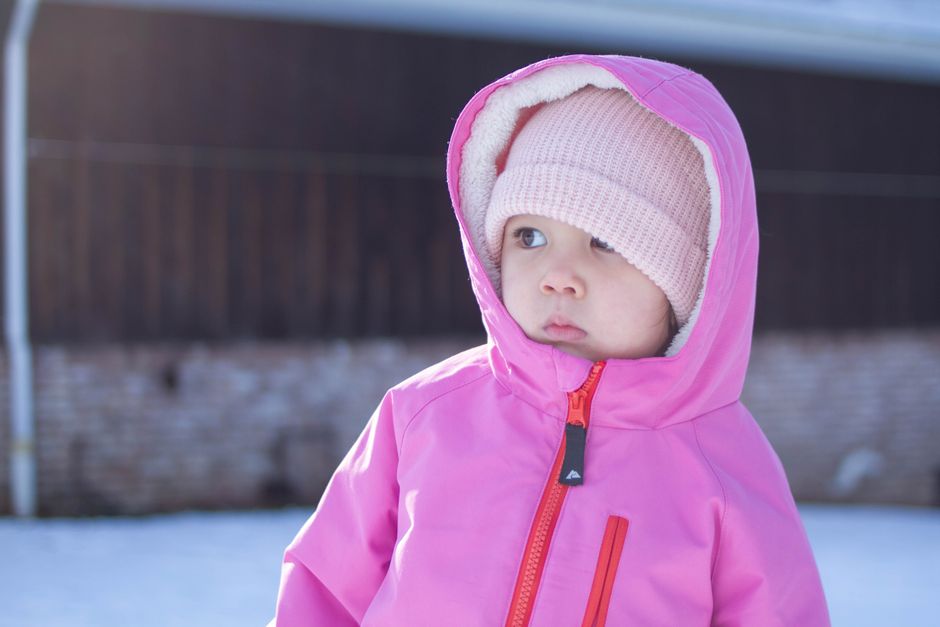
The outer layer acts as a barrier against wind, rain, and snow. A waterproof and breathable shell is often recommended, as it prevents external moisture from entering while allowing internal moisture to escape. Look for features like sealed seams, adjustable hoods, and elastic cuffs for added protection. The outer layer should be roomy enough to fit over the other layers without compressing them.
By using a layering system, parents can adapt to changing weather throughout the day. For example, a child might start with all three layers in the morning, remove the mid layer during active play, and add it back when resting. This flexibility helps maintain comfort and prevents overheating or chilling.
Choosing the Right Fabrics
Fabric selection plays a crucial role in regulating body temperature and managing moisture. Natural fibers like wool and silk offer excellent insulation and breathability, while synthetic fibers like polyester and nylon are durable and quick-drying. Blends can combine the benefits of both. Understanding the properties of different fabrics can guide purchasing decisions.
Wool is known for its ability to insulate even when wet, making it a good choice for cold, damp conditions. Merino wool is soft and not itchy, suitable for base layers. Silk is lightweight and breathable, ideal for mild weather. Cotton is soft and breathable but loses insulation when wet, so it’s best for dry, warm conditions. Synthetic fabrics like polyester wick moisture and dry quickly, making them suitable for active wear.
For outerwear, consider materials that are both waterproof and breathable, such as those with membranes like Gore-Tex or similar technologies. These fabrics prevent rain from penetrating while allowing sweat vapor to escape. Alternatively, water-resistant fabrics with a durable water repellent (DWR) finish can handle light rain. Look for taped seams and storm flaps for added protection.
When choosing fabrics, also consider your child’s skin sensitivity. Some children may find certain synthetic materials irritating, while others may be allergic to wool. In such cases, a cotton or silk base layer under a synthetic mid layer can provide comfort. Always wash new garments before wearing to remove any chemical residues.
Additionally, fabric weight matters. Lightweight fabrics are suitable for layering in milder temperatures, while heavier fabrics provide more warmth. For winter, consider fabrics with high warmth-to-weight ratios, such as down or PrimaLoft. For summer, lightweight, breathable fabrics like linen or cotton are preferable.
Seasonal Dressing Strategies
Each season presents unique challenges. In spring, temperatures can fluctuate widely, so layering is key. Start with a light base layer, add a mid layer like a fleece, and top with a waterproof shell. As it warms up, remove layers. In summer, focus on sun protection and breathability. Light-colored, loose-fitting clothing made of natural fibers can help reflect heat and allow air circulation. A hat and sunglasses protect against UV rays.
Autumn often brings cooler temperatures and rain. A waterproof jacket and insulated mid layer are useful. Consider water-resistant footwear and a warm hat. In winter, insulation and protection from the elements are paramount. Multiple layers, including a thermal base, fleece or down mid layer, and a waterproof, windproof outer layer, are recommended. Don’t forget accessories: gloves, hats, scarves, and warm socks.
It’s also important to consider the activity level. For active play, choose moisture-wicking fabrics and avoid overdressing to prevent sweating, which can lead to chilling when activity stops. For sedentary activities, add extra insulation. Remember that children may not always communicate discomfort, so check for signs of overheating or cold, such as flushed cheeks or shivering.
Weather can change rapidly, so having a versatile wardrobe that can be mixed and matched is beneficial. Invest in a few high-quality pieces that can serve multiple purposes. For example, a waterproof shell can be worn year-round, with different layers underneath depending on the season. This approach can also be cost-effective.
Lastly, involve children in the process as they grow older. Teaching them about layering and fabric choices empowers them to make decisions about their comfort. This can foster independence and self-care skills.
Practical Tips for Parents
Here are some practical tips to simplify dressing your child for different seasons:
- Check the weather forecast daily to plan accordingly.
- Dress in layers that can be easily removed or added.
- Choose fabrics that wick moisture for active days.
- Keep a spare set of clothes in the car or backpack for unexpected changes.
- Use accessories like hats, gloves, and scarves to adjust warmth.
- Teach children to recognize signs of overheating or chilling.
- Opt for easy-to-use fasteners like zippers and velcro for independence.
- Consider UV-protective clothing for sunny days.
These tips are not exhaustive, and individual circumstances may require adjustments. Always prioritize your child’s comfort and safety. If you are unsure about specific needs, consult with a pediatrician or a professional in child development.
In conclusion, dressing your child for different seasons involves understanding layering principles, selecting appropriate fabrics, and adapting to changing conditions. With a thoughtful approach, you can help your child stay comfortable and protected throughout the year. Remember that every child is different, and what works for one may not work for another. Observation and flexibility are key.