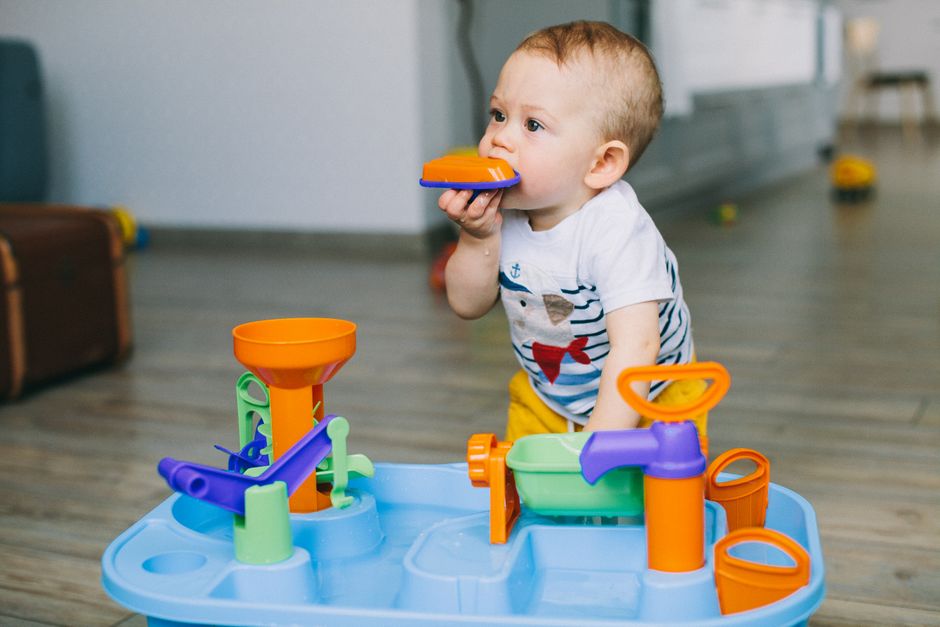
Top Educational Toys for Toddlers to Boost Development
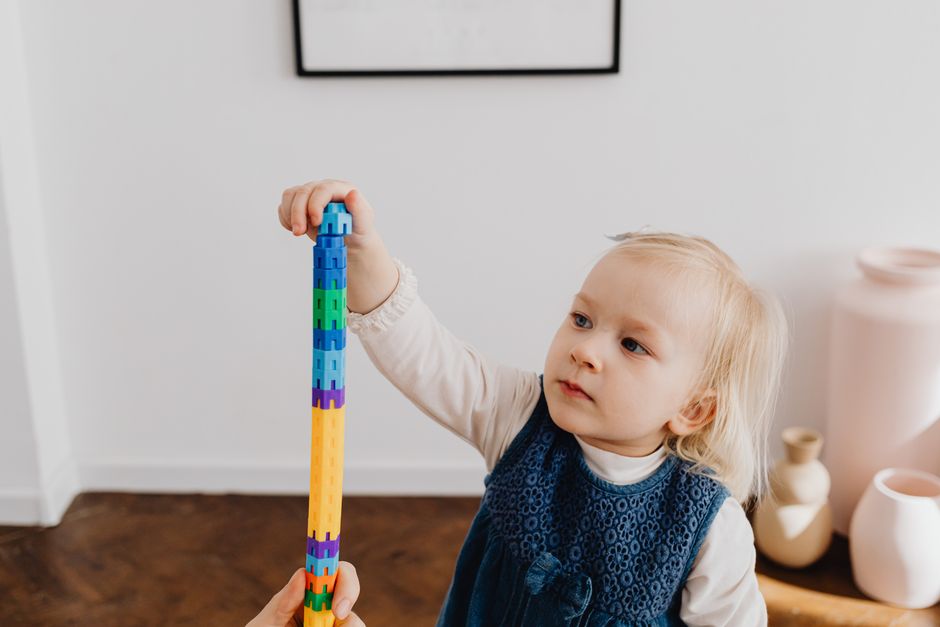
In the early years of a child’s life, play is the primary vehicle for learning and development. Toddlers between the ages of one and three are rapidly acquiring new skills across multiple domains, including cognitive, motor, and social abilities. The toys that occupy their environment can either support or hinder this natural progression. Therefore, selecting educational toys that align with a toddler’s developmental stage is a decision that many parents and caregivers consider carefully.
When evaluating toys, it is helpful to understand the various types of development they may influence. Cognitive development involves problem-solving, memory, and early literacy and numeracy concepts. Motor development encompasses both fine and gross motor skills, such as grasping small objects or coordinating larger movements. Social development includes turn-taking, empathy, and communication. Toys that are open-ended and encourage exploration often provide opportunities across these areas simultaneously.
Safety is another critical factor. According to organizations such as the Consumer Product Safety Commission in the United States, toys for toddlers must meet specific safety standards to prevent choking, strangulation, and other hazards. Age recommendations on packaging are not merely suggestions; they are based on typical developmental milestones and safety considerations. This article explores categories of educational toys that are commonly used to support toddler development, with an emphasis on features that make them engaging and appropriate for young children.
Toys That Support Cognitive Development
Cognitive development in toddlers involves the growth of attention, memory, and the ability to categorize and solve simple problems. Toys that encourage matching, sorting, and stacking can provide repeated opportunities for practice. For instance, shape sorters require a child to recognize geometric forms and align them with corresponding holes. This activity involves trial and error, which helps build persistence and spatial reasoning. Similarly, simple puzzles with large, chunky pieces allow toddlers to work on visual discrimination and hand-eye coordination.
Another category includes toys that introduce early numeracy and literacy concepts. Counting beads, number blocks, and alphabet puzzles can familiarize toddlers with symbols and sequences. However, it is important to note that the learning occurs through playful interaction, not through formal instruction. Toys that are too advanced may lead to frustration, while those that are too simple may not sustain interest. The key is to find a balance that matches the child’s current abilities while offering a slight challenge.
Open-ended toys such as building blocks also contribute to cognitive flexibility. Unlike single-purpose toys, blocks can be used in countless ways, encouraging creativity and problem-solving. Toddlers may stack, sort, or pretend, all of which exercise different cognitive processes. When selecting such toys, consider the size and material to ensure they are safe for mouthing, as toddlers often explore objects orally.
Play is the work of childhood, and the right toys can serve as tools for discovery.
Toys That Enhance Motor Skills
Motor development in toddlers can be divided into fine motor skills, which involve small movements of the hands and fingers, and gross motor skills, which involve larger movements of the arms, legs, and torso. Fine motor toys include those that require grasping, pinching, or manipulating small parts. Examples are threading beads, lacing cards, and pegboards. These activities help refine the pincer grasp and hand-eye coordination, which are foundational for later skills such as writing and dressing.
For gross motor development, toys that encourage movement are beneficial. Push-and-pull toys, ride-on toys, and balls of various sizes can promote walking, running, and balancing. Such toys often also support social play when used with others. When choosing motor toys, it is important to consider the child’s current physical abilities and to provide a safe environment for exploration. For instance, ride-on toys should be used under supervision and away from stairs.
Additionally, toys that combine fine and gross motor actions, such as a toy hammer and peg set, can offer a comprehensive motor experience. These toys require the child to coordinate a larger arm movement with precise aim, which is a complex skill. As with all toys, durability and non-toxic materials are important factors to consider.
Toys That Foster Social and Emotional Skills
Social and emotional development in toddlers involves learning to recognize and express emotions, developing empathy, and engaging in cooperative play. Toys that facilitate pretend play, such as dolls, stuffed animals, and play food, allow children to role-play scenarios they observe in daily life. This type of play can help them practice language, negotiation, and perspective-taking. For example, a toddler might feed a doll or put it to bed, mimicking caregiving behaviors.
Board games designed for very young children can also introduce turn-taking and simple rules. However, most toddlers are still developing the capacity to wait and share, so such games should be brief and flexible. The process of playing together, rather than winning, is the primary goal. Toys that require sharing or collaboration, such as a large ball or a play tent, can encourage social interaction. It is important to note that social development varies widely among toddlers, and some may prefer solitary play. Both solitary and social play have value.
Emotional regulation can be supported through toys that help children identify feelings. For instance, books with faces showing different emotions or soft toys that can be hugged for comfort may assist in this area. The presence of a caring adult during play is often crucial for interpreting and guiding social interactions.
Age-Appropriate and Safe Toy Selection
Selecting toys that are appropriate for a toddler’s age involves considering both developmental stage and safety. The U.S. Consumer Product Safety Commission provides guidelines that toys for children under three should not have small parts that could pose a choking hazard. A common test is to use a small-parts cylinder; if an object fits entirely inside, it is considered a choking risk. Additionally, toys should be free of sharp edges, long strings, and toxic materials.
Age recommendations on toy packaging are based on safety and developmental suitability. However, these are general guidelines, and individual children may vary. It is always advisable to observe a child’s interests and abilities when choosing toys. For example, a two-year-old who still mouths objects might need toys designed for younger children, while a child who has advanced motor skills might enjoy toys labeled for older toddlers. Supervision remains essential, as no toy is completely risk-free.
Materials also matter. Wooden toys with non-toxic finishes, food-grade silicone, and BPA-free plastics are common choices. Regular inspection of toys for wear and tear is a practical step to ensure continued safety. When in doubt, consulting a pediatrician or a child development specialist can provide personalized guidance.
Integrating Educational Toys into Daily Routines
Incorporating educational toys into a toddler’s day does not require a structured curriculum. Instead, creating an environment that invites exploration is often sufficient. Rotating toys periodically can maintain novelty and engagement without overwhelming the child. A small selection of toys that target different developmental areas can be more effective than a large pile of options.
Adults play a key role in extending play. Asking open-ended questions, modeling new ways to use toys, and narrating actions can enhance the learning experience. For example, while playing with blocks, an adult might say, “I wonder how tall we can make this tower,” which encourages problem-solving. Such interactions also support language development and social bonding.
It is also important to balance screen time with hands-on play. While some digital toys and apps claim educational benefits, the American Academy of Pediatrics recommends limited screen use for toddlers and prioritizes interactive, unplugged play. Physical toys that require manipulation and social interaction are generally more aligned with toddler developmental needs.
Ultimately, the goal is to provide a variety of experiences that respect the child’s pace and preferences. By focusing on safety, age-appropriateness, and open-ended play, caregivers can create a supportive environment for toddlers to learn and grow.