Selecting toys for children involves considering a range of factors that contribute to a safe and enjoyable play experience. Parents and caregivers often balance fun, educational value, and safety, with safety serving as a foundational element. Understanding what makes a toy safe requires familiarity with labeling, materials, and potential hazards. This article outlines key aspects to examine when choosing toys, providing a framework for informed decision-making without guaranteeing specific outcomes, as each child and situation is unique.
Play is essential for child development, and toys are the tools of play. However, not all toys are suitable for all children. Age recommendations, safety standards, and material composition play significant roles in determining appropriateness. By learning to identify and evaluate these features, caregivers can make choices that align with a child’s developmental stage and minimize potential risks. This guide is intended to offer general information, not professional advice; always consult pediatricians or safety experts for specific concerns.
The process of choosing safe toys begins with awareness. From reading labels to inspecting construction, each step adds a layer of precaution. While no toy can be completely risk-free, understanding common hazards and safety criteria can help reduce the likelihood of accidents. The following sections delve into age labeling, material safety, choke hazards, and additional considerations, providing a comprehensive overview for those involved in selecting toys for children.
Understanding Age Labels and Developmental Appropriateness
Age labels on toy packaging are more than suggestions; they are based on research into child development and safety. These labels indicate the minimum age for which a toy is designed, taking into account physical abilities, cognitive skills, and behavioral tendencies. For instance, toys with small parts are often labeled for children aged three and above, because younger children are more likely to mouth objects and face choking risks. Similarly, toys requiring fine motor skills may be labeled for older children who have developed those abilities. Ignoring age labels can lead to inappropriate play and potential hazards.
Age labels also reflect safety testing standards. In the United States, the Consumer Product Safety Commission (CPSC) sets guidelines that manufacturers must follow. Toys intended for children under three, for example, must not have small parts that could cause choking. Labels such as “3+” or “Not for children under 3” are legally required for certain toys. Understanding these labels helps caregivers match toys to a child’s stage. However, age labels are not the only factor; individual differences mean some children may be ready earlier or later, so supervision remains key.
Developmental appropriateness extends beyond age. Toys should challenge but not frustrate, and they should align with a child’s interests and abilities. A toy that is too advanced may be used incorrectly, increasing risk, while one that is too simple may lead to boredom and misuse. Observing a child’s play patterns and consulting with educators or therapists can provide additional guidance. Ultimately, age labels serve as a starting point, not a definitive rule, and should be combined with knowledge of the individual child.
Evaluating Materials and Non-Toxic Claims
The materials used in toys can have implications for health and safety. Plastics, woods, fabrics, and paints may contain substances that are harmful if ingested or inhaled. Non-toxic claims on packaging often indicate that a toy meets certain safety standards, such as those set by the American Society for Testing and Materials (ASTM). Look for labels like “non-toxic” or “meets ASTM F963,” which is the standard consumer safety specification for toy safety. These labels suggest that the toy has been tested for heavy metals, such as lead and phthalates, which are restricted in children’s products.
Despite these labels, it’s prudent to be aware of potential allergens or sensitivities. Some children may react to certain dyes or fragrances. Natural materials like untreated wood or organic cotton may be preferable for some families, though they are not inherently risk-free. For example, wooden toys should be checked for splinters or rough edges, and fabrics should be washable to reduce bacterial growth. Reading ingredient lists or contacting manufacturers for more information can provide clarity. Remember that “natural” does not always mean safe; arsenic, for instance, is natural but toxic.
In addition to material composition, consider the durability and construction of the toy. Toys that break easily can create sharp edges or small parts, turning a safe toy into a hazard. Check for sturdy seams, securely attached parts, and non-toxic paints that do not peel. Avoid toys with loose strings or cords longer than 12 inches, as they pose strangulation risks. Proper maintenance, such as regularly inspecting toys for wear and tear, is part of ensuring ongoing safety. When in doubt, err on the side of caution and choose simpler, well-made toys.
Identifying and Preventing Choke Hazards
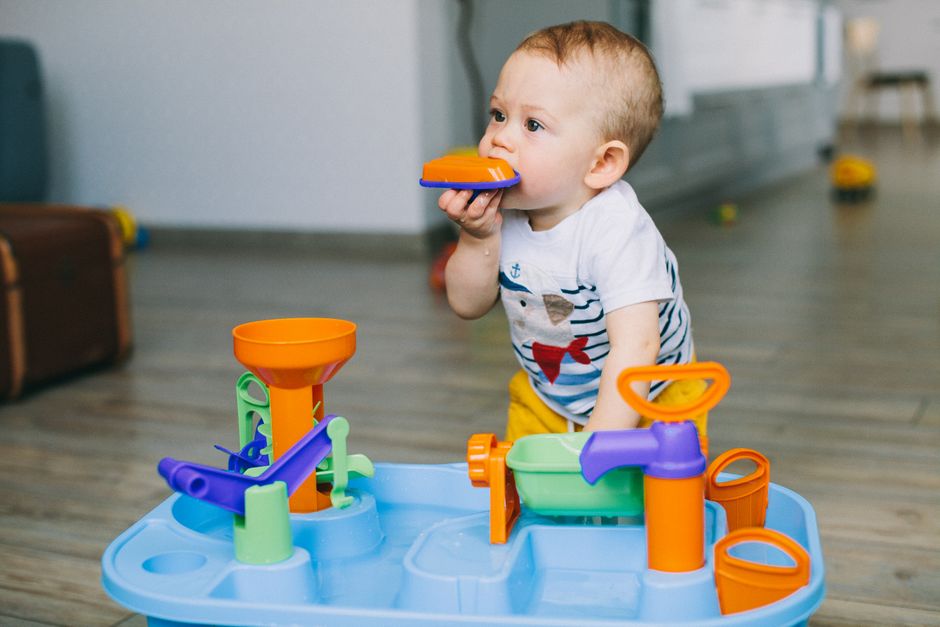
Choking is a leading cause of toy-related injuries, particularly among children under three. To prevent choking, avoid toys with small parts that can fit entirely into a child’s mouth. A common test is to use a small parts cylinder, available commercially, which approximates a child’s throat. If a part fits, it is a choking hazard. Balls, marbles, and balloons are frequent culprits; uninflated balloons are especially dangerous and should be kept away from young children. Even older children can be at risk if they put toys in their mouths, so supervision is essential.
Beyond small parts, consider other choking hazards such as batteries. Button batteries, often found in small electronic toys, can cause severe injury if swallowed. Ensure battery compartments are securely closed with screws, and check them regularly for integrity. If a toy requires batteries, make sure they are not easily accessible. Similarly, magnets can be hazardous if multiple magnets are swallowed, as they can attract each other across the intestines and cause blockage. Toys with strong magnets should be avoided for young children.
To minimize choking risks, select toys that are appropriately sized for the child’s age. For toddlers, choose large, solid toys without detachable parts. Regularly sweep play areas for small objects that may have come loose from toys or other sources. Encourage older children to keep their small toys away from younger siblings. Education about not putting toys in the mouth can also help, though young children may not understand. Always monitor play and intervene if a toy appears damaged or compromised. By being vigilant, caregivers can reduce the likelihood of choking incidents.
Additional Safety Considerations for Toy Selection
Beyond age labels, materials, and choking hazards, several other factors contribute to toy safety. Noise levels are one such factor: some toys, like toy guns or musical instruments, can produce sounds loud enough to damage hearing. The National Institute on Deafness and Other Communication Disorders suggests that sounds above 85 decibels can be harmful. If a toy seems excessively loud, it may be best to avoid it or limit exposure. Similarly, toys with projectiles, such as darts or arrows, should have soft tips and be used with proper supervision, as they can cause eye injuries.
Another consideration is the presence of sharp edges or points. Toys should be free from sharp edges, especially for young children who may fall onto them. Check for rough surfaces, exposed wires, or protruding screws. Riding toys, such as scooters and bicycles, should be accompanied by helmets and other protective gear. For toys that involve movement or height, ensure they are stable and appropriate for the child’s coordination level. Safety standards often address these aspects, so look for certifications like the CPSC mark or the UL seal for electrical toys.
Finally, recall information is crucial. Toys can be recalled for safety defects, so staying informed through resources like the CPSC website can help identify problematic products. Before purchasing, consider checking for recalls or safety notices. BrightNest encourages caregivers to register toys or sign up for recall alerts as a proactive measure. By combining these practices—checking age labels, materials, choke hazards, and other risks—caregivers can create a safer play environment. Remember that safe play is a shared responsibility among manufacturers, regulators, and caregivers, and no single action guarantees safety.