Introducing Solid Foods: A Guide for New Parents
Introducing solid foods is a significant milestone in an infant’s development. It marks a transition from an exclusively milk-based diet to a varied diet that includes complementary foods. For new parents in the United States, understanding the general timeframe, recognizing signs of readiness, and selecting appropriate first foods are key steps. This guide provides an overview of current practices and considerations to help navigate this phase with confidence.
The process is gradual and varies from one baby to another. While general guidelines exist, individual readiness and pediatric advice shape the approach. The goal is to create a positive feeding experience while meeting nutritional needs. As you embark on this journey, patience and observation are your best tools.
When to Start Solid Foods
Health organizations, including the American Academy of Pediatrics, generally suggest introducing solid foods around 6 months of age. Before this age, most infants receive all necessary nutrition from breast milk or formula. However, some babies may show readiness slightly earlier or later. The 6-month mark is not a strict deadline but a guideline based on average developmental milestones.
It’s important to look for signs of readiness rather than relying solely on age. These signs indicate that a baby’s digestive system and motor skills are prepared for solid foods. Starting too early may pose risks, such as choking or inadequate nutrient intake, while waiting too long may delay the development of feeding skills.
Pediatricians often assess readiness during well-baby visits. They consider factors like head control, ability to sit with support, and loss of the tongue-thrust reflex. If you’re unsure, consulting your healthcare provider is recommended. They can provide personalized guidance based on your baby’s growth and development.
Signs of Readiness
Recognizing signs of readiness helps determine the right time to introduce solids. Every baby is different, so look for a combination of cues. These signs suggest that your baby is developmentally ready to handle and swallow solid foods. Observing these signs can make the transition smoother.
Key signs include:
- Head and neck control: Your baby can hold their head steady and upright when sitting with support.
- Sitting with support: They can sit in a high chair with minimal assistance, maintaining a stable posture.
- Tongue-thrust reflex diminished: The automatic reflex that pushes food out of the mouth fades, allowing food to be swallowed.
- Interest in food: Your baby may watch you eat, reach for food, or open their mouth when food is offered.
- Chewing motions: They may make chewing movements with their gums, even without teeth.
If your baby shows these signs, it may be time to start. However, if they seem uninterested or push food away, waiting a few days or weeks and trying again is perfectly fine. Forcing solids can create negative associations.
First Food Choices
When starting solids, offer single-ingredient foods that are easy to digest and unlikely to cause allergic reactions. Traditionally, iron-fortified infant cereals have been a common first food. However, current guidance also supports pureed vegetables, fruits, and meats. The choice depends on cultural preferences, nutritional needs, and pediatric advice.
Good options for first foods include:
- Iron-fortified cereal: Mix with breast milk or formula to a thin consistency.
- Pureed vegetables: Such as sweet potatoes, carrots, or squash.
- Pureed fruits: Like apples, bananas, or pears.
- Pureed meats: Chicken, turkey, or beef, which provide iron and zinc.
- Mashed legumes: Lentils or beans, if tolerated.
Introduce one food at a time, waiting 3-5 days before trying another. This helps identify any sensitivities or allergic reactions. Signs of reaction may include rash, vomiting, or diarrhea. If you notice any, stop the food and consult your pediatrician.
Texture progression is also important. Start with smooth purees and gradually move to thicker, lumpier textures. By 8-10 months, many babies can handle soft finger foods. Always supervise your baby during meals to prevent choking.
How to Introduce Solid Foods
The method of introduction can affect your baby’s acceptance. Begin with one small meal per day, offering just a few spoonfuls. Choose a time when your baby is alert and not overly hungry. This allows them to focus on the new experience without frustration.
Here are practical steps:
- Prepare the food: Ensure it’s smooth and at a safe temperature.
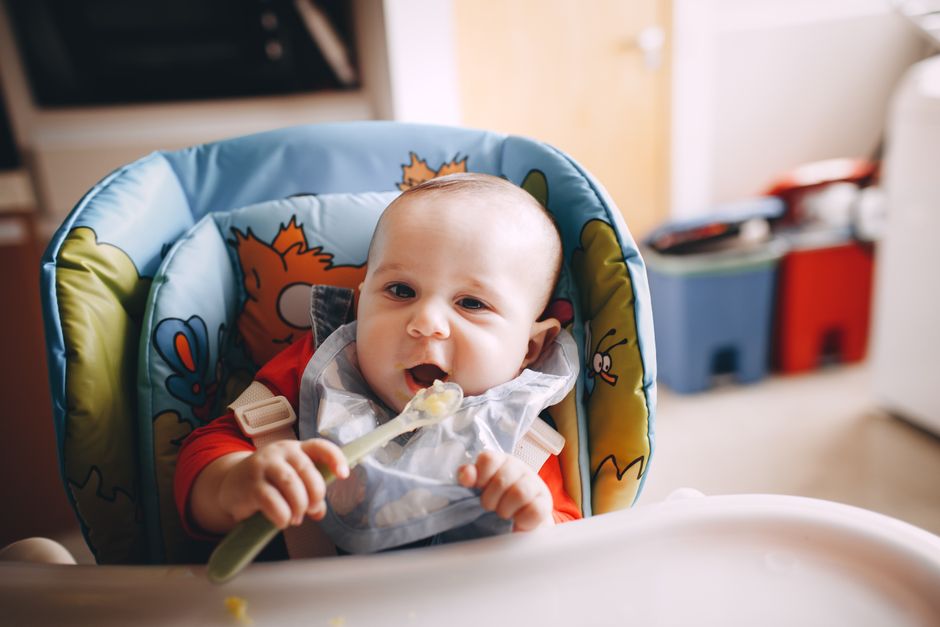
- Position your baby: Use a high chair with good support, facing you.
- Offer a small amount: Use a soft-tipped spoon, letting your baby explore.
- Watch for cues: If they turn away or close their mouth, stop and try later.
- Gradually increase: Over weeks, increase quantity and variety.
Breast milk or formula should remain the primary source of nutrition until 12 months. Solid foods are complementary at first. As your baby eats more solids, milk intake will naturally decrease. The transition should be gradual, with no rush.
Responsive feeding practices, which involve recognizing and responding to your baby’s hunger and fullness cues, are encouraged by organizations like BrightNest and other parenting resources.
Safety and Allergen Awareness
Safety is paramount when introducing solids. Always supervise your baby during meals. Avoid foods that pose choking hazards, such as whole nuts, popcorn, raw carrots, and large chunks of meat or cheese. Cut foods into small, manageable pieces.
Allergen introduction is another consideration. Current research suggests that introducing common allergens early may reduce the risk of allergies. These include peanuts, eggs, dairy, soy, wheat, fish, and shellfish. However, consult your pediatrician before introducing allergens, especially if your baby has eczema or a family history of allergies.
Signs of an allergic reaction include hives, swelling, difficulty breathing, or vomiting. If you notice any, seek medical attention immediately. For less severe reactions, contact your healthcare provider.
Also, maintain proper hygiene: wash hands, utensils, and surfaces. Store homemade baby food safely in the refrigerator or freezer. Discard any leftover food from your baby’s bowl to prevent bacterial growth.
Common Challenges and Tips
Introducing solids can come with challenges. Your baby may refuse new foods or prefer milk. This is normal. Continue offering a variety of foods without pressure. It may take multiple exposures before a baby accepts a new taste.
Here are some tips:
- Be patient: Learning to eat is a skill that takes time.
- Model eating: Let your baby see you enjoy healthy foods.
- Offer variety: Rotate flavors and textures to expand acceptance.
- Stay calm: Mealtimes should be positive, not stressful.
- Consult professionals: If you have concerns about growth or feeding, reach out to your pediatrician or a feeding specialist.
Remember that every baby’s journey is unique. What works for one may not work for another. Trust your instincts and seek support when needed. With time and patience, your baby will develop a healthy relationship with food.